Health

Experience Transformational Growth and Healing Together Through Couples Rehab Therapy

Couples rehab therapy offers a unique opportunity for partners to embark on a journey of transformational growth and healing together. Relationships can be deeply affected by life’s challenges, whether they stem from substance abuse, trauma, communication breakdowns, or unresolved emotional conflicts. Couples rehab therapy addresses these issues in a safe, supportive environment, helping partners rebuild trust, enhance communication, and foster a deeper emotional connection. This form of therapy is tailored to the unique dynamics of each relationship, acknowledging that no two partnerships are the same. By working collaboratively, both individuals and the couple as a unit explore underlying issues that may have contributed to their struggles. Trained therapists guide participants through a structured process, often combining individual counseling with joint sessions to ensure that both personal growth and relationship development occur simultaneously.

One of the central components of couples rehab therapy is the development of effective communication skills and drug rehab for couples near me​. Misunderstandings and miscommunication often fuel conflict and emotional distance in relationships. Therapy sessions provide partners with tools to express their thoughts and feelings constructively while also learning to listen with empathy. This improved communication fosters mutual understanding and creates a solid foundation for healing. Another critical aspect of this therapy is addressing the impact of past wounds or traumas. Partners often carry unresolved pain that influences their interactions and emotional responses. By processing these experiences together, couples can begin to let go of blame and resentment, replacing them with compassion and a renewed sense of partnership. Therapists may also incorporate evidence-based techniques such as cognitive-behavioral therapy CBT, mindfulness practices, or experiential exercises to deepen the healing process.

Couples rehab therapy is not just about repairing a damaged relationship; it is about creating a new, healthier dynamic where both partners feel valued and supported. The process encourages self-awareness, accountability, and emotional resilience, helping individuals grow into their best selves while strengthening the bond they share. It is a journey that demands commitment and effort, but the rewards renewed intimacy; trust, and mutual respect are profound. For those who feel their relationship has reached a breaking point, couples rehab therapy can serve as a lifeline. It provides a space to explore whether the relationship can be rebuilt and offers a path forward, whether it leads to reconciliation or amicable separation. Above all, it empowers couples to face challenges with courage and grace, embracing the possibility of a brighter, healthier future together.


How Kratom Can Improve Workout Recovery and Muscle Growth?

Kratom, a tropical plant native to Southeast Asia, has been gaining attention for its potential benefits in health and wellness, including its impact on workout recovery and muscle growth. Although traditionally used for its stimulant and pain-relieving effects, research and anecdotal evidence suggest that kratom might offer benefits that can support individuals in enhancing their fitness routines. One of the key ways kratom may assist in workout recovery is by helping to alleviate pain and soreness after intense physical activity. The active compounds in kratom, particularly mitragynine and 7-hydroxymitragynine, have been shown to possess analgesic pain-relieving properties similar to opioids, but without the addictive potential. After a tough workout, muscle fatigue and soreness are common, and kratom’s analgesic effects can provide a natural way to manage discomfort. By reducing pain and inflammation, kratom could allow individuals to recover faster and more comfortably, leading to better performance in future workouts. This ability to manage pain can make it easier for individuals to push through intense training without feeling debilitated by post-exercise soreness.

red bali kratom

In addition to pain relief, kratom for workout has been reported to have mood-enhancing effects. Many people find that kratom’s stimulating properties can boost energy levels and motivation, which are critical for maintaining consistent workout routines. By elevating mood and enhancing focus, kratom may provide the mental clarity and drive needed for better workout sessions. This could be especially beneficial for those struggling with mental fatigue or lack of motivation, as it can help them remain committed to their fitness goals, ultimately contributing to muscle growth and strength gains. Kratom’s effects on energy and stamina also play a role in improving exercise performance. Some kratom users report that the plant helps them feel more energetic and less fatigued during physical activity. For those who engage in endurance training, kratom’s stimulating effects could help them push through longer or more intense sessions, promoting muscle endurance. The result could be enhanced muscle development due to the extended duration and intensity of the workouts.

Additionally, kratom’s potential to improve blood circulation could further support muscle recovery by delivering oxygen and nutrients more efficiently to the tissues, aiding in faster healing and growth. Overuse or dependence on kratom can lead to adverse effects, including nausea, dizziness, and digestive issues. Moreover, the plant is not regulated in many countries, so the purity and dosage can vary, making it essential to source kratom from reputable suppliers and consult a healthcare professional before incorporating it into a fitness regimen. In conclusion, kratom can be a valuable addition to a fitness routine for those looking to enhance workout recovery and muscle growth. Its ability to reduce pain and inflammation, boost energy and motivation, and support endurance and circulation can provide multiple benefits for individuals aiming to improve their physical performance. However, as with any supplement, it is important to use kratom thoughtfully and with a full understanding of its effects on the body to maximize its potential benefits while minimizing risks.


Top Benefits of Red Thai Kratom for Mind-Body Balance Daily

Red Thai Kratom, a variety of the kratom plant native to Thailand, has gained popularity for its ability to promote both mental and physical well-being. This strain, known for its rich alkaloid content, offers a variety of benefits that contribute to a harmonious balance between the mind and body when used responsibly. It is especially favored for its calming and soothing effects, making it an ideal choice for those seeking daily support in managing stress, pain, and emotional wellness. One of the most significant benefits of Red Thai Kratom is its potential for stress relief and mood enhancement. The strain has a natural ability to calm the mind, promoting a sense of tranquility and reducing feelings of anxiety or agitation. This is attributed to its high concentration of 7-hydroxymitragynine, a powerful alkaloid that binds to the body’s opioid receptors, helping to relax both the body and mind. For individuals who experience chronic stress or those who struggle with the pressures of daily life, incorporating Red Thai Kratom into their routine can provide much-needed relief, supporting emotional balance and mental clarity throughout the day.

Red Thai Kratom

In addition to its calming effects, red thai kratom is renowned for its potential to alleviate pain and discomfort. It works as an analgesic by interacting with the body’s pain receptors, which can provide a natural alternative to over-the-counter painkillers or prescription medications. Whether dealing with chronic pain conditions, muscle soreness, or everyday aches, Red Thai Kratom can offer a sense of physical relief without the harmful side effects that often come with pharmaceutical treatments. For many, this strain becomes an integral part of their wellness routine, helping them to remain active and engaged while minimizing discomfort. Red Thai Kratom also contributes to improved sleep quality, which is essential for overall well-being. Its calming properties help promote relaxation, making it easier to fall asleep and stay asleep throughout the night. Adequate rest is crucial for both mental and physical health, as it enables the body to repair itself and the mind to recharge. By supporting better sleep patterns, Red Thai Kratom helps individuals wake up feeling refreshed and ready to take on the day, thus enhancing daily performance and productivity.

Moreover, Red Thai Kratom has a mild stimulating effect when used in lower doses, providing a gentle boost in energy and focus without the jitters or crashes associated with caffeine or other stimulants. This makes it a versatile option for people who need a balanced energy boost throughout the day. The combination of calmness and mild stimulation allows users to experience a more centered state of being, enabling them to tackle daily tasks with a clear and focused mind. Overall, Red Thai Kratom is a valuable tool for achieving mind-body balance on a daily basis. Its range of benefits, from stress relief and pain management to improved sleep and enhanced focus, makes it an appealing option for individuals seeking a natural way to maintain their well-being. As with any supplement, it is important to use Red Thai Kratom responsibly and consult with a healthcare professional if necessary, ensuring it complements your overall health regimen effectively.


Discover the Most Trusted Weight Loss Treatments Backed by Science

When it comes to weight loss, the market is flooded with various treatments and programs, making it challenging to identify which ones are scientifically backed and truly effective. Here’s a look at some of the most trusted weight loss treatments supported by research.

  1. Dietary Interventions

The foundation of any effective weight loss program is a well-balanced diet. Research has consistently shown that calorie restriction, when combined with nutrient-dense foods, can lead to significant weight loss. Popular dietary approaches include the Mediterranean diet, which emphasizes whole grains, fruits, vegetables, lean proteins, and healthy fats; and low-carb diets like the ketogenic diet, which have shown promising results in reducing body weight and improving metabolic health. Studies indicate that these diets not only promote weight loss but also help in maintaining it over time.

  1. Behavioral Therapy

Cognitive-behavioral therapy CBT has been shown to be an effective tool in weight management. CBT helps individuals identify and modify negative thought patterns and behaviors related to food and exercise. Research demonstrates that participants in structured behavioral therapy programs often achieve better weight loss outcomes than those who rely solely on dietary changes. This approach emphasizes goal setting, self-monitoring, and developing coping strategies, fostering long-term lifestyle changes.

  1. Prescription Medications

For individuals struggling with obesity, prescription weight loss medications can provide a significant boost. Drugs such as orlistat, phentermine-topiramate, and naltrexone-bupropion have been studied extensively and are FDA-approved for long-term use. These medications work by suppressing appetite, increasing feelings of fullness, or inhibiting fat absorption. Clinical trials have shown that when combined with lifestyle changes, these medications can result in greater weight loss than diet and exercise alone.

  1. Bariatric Surgery

In cases of severe obesity, bariatric surgery may be a viable option. Procedures such as gastric bypass and sleeve gastrectomy have demonstrated significant and sustained weight loss results. Research indicates that bariatric surgery not only aids in weight loss but also contributes to improvements in obesity-related conditions such as type 2 diabetes, hypertension, and sleep apnea. Patients who undergo these procedures often experience substantial health benefits in addition to weight reduction.

  1. Physical Activity

Regular physical activity is a crucial component of any weight loss plan. Exercise not only helps burn calories but also plays a role in maintaining muscle mass during weight loss, which is essential for a healthy metabolism and click reference https://njforeveryoungmd.com/piscataway/weight-loss/. Studies suggest that combining aerobic exercises with strength training leads to optimal results in weight management.


Transform Your Mental Health Journey with Online Therapy and Assessments

Transforming your mental health journey has become increasingly accessible and effective through the integration of online therapy and assessments. These digital tools offer a dynamic approach to mental health care, combining the convenience of remote access with the personalized support needed for meaningful progress. Online therapy platforms provide individuals with the opportunity to connect with licensed therapists from anywhere, eliminating geographic barriers and ensuring that high-quality care is available to all. This accessibility is particularly beneficial for those in rural or underserved areas, and individuals with physical limitations or mobility challenges that may make traditional therapy difficult to access. The flexibility of online therapy is another significant advantage, allowing individuals to schedule sessions at times that suit their schedules best. Whether it is early morning before work, a quick check-in during lunchtime, or an evening session after daily commitments, online therapy adapts to the individual’s lifestyle and preferences. This flexibility not only accommodates busy schedules but also reduces the stress associated with commuting to in-person appointments, making it easier for individuals to prioritize their mental health amidst other responsibilities.

Mental Health

Online assessments complement the therapeutic process by providing valuable insights into an individual’s mental health status. These assessments may include standardized tests, questionnaires, and interactive modules designed to evaluate symptoms, emotional well-being, and overall psychological functioning. By completing assessments, individuals gain a clearer understanding of their strengths, challenges, and areas for growth, empowering them to actively participate in their treatment journey. This data-driven approach allows therapists to tailor interventions more precisely, addressing specific concerns identified through assessments and tracking progress over time. Personalization is a cornerstone of online therapy and assessments, ensuring that treatment plans are uniquely tailored to meet the individual needs and goals of each client. Digital platforms offer a variety of therapeutic approaches, such as cognitive-behavioral therapy CBT, mindfulness-based interventions, and dialectical behavior therapy DBT, among others. Clients have the flexibility to choose the therapeutic modality that resonates most with them, enhancing engagement and promoting positive outcomes.G

Privacy and confidentiality are fundamental to the online therapy experience, with platforms prioritizing secure communication channels and data encryption to protect sensitive information. This commitment to privacy ensures that individuals can engage in therapy and assessments with confidence, knowing that their personal information is safeguarded at all times and Visit Site. The anonymity afforded by online therapy also reduces the stigma often associated with seeking mental health support, encouraging more individuals to take proactive steps toward improving their well-being without fear of judgment. In conclusion, the integration of online therapy and assessments represents a transformative approach to mental health care, empowering individuals to embark on a personalized journey of growth and healing. By overcoming barriers to access, offering flexible scheduling options, providing personalized treatment plans based on comprehensive assessments, and ensuring privacy and confidentiality, online platforms are reshaping the landscape of mental health support. Embracing these digital innovations is essential for promoting resilience, fostering positive mental health outcomes, and empowering individuals to lead fulfilling lives.


Transforming Healthcare Delivery Systems

Transforming healthcare delivery systems is a multifaceted endeavor aimed at improving patient outcomes, enhancing efficiency, and optimizing resource utilization. In recent years, the landscape of healthcare has been rapidly evolving, driven by advancements in technology, shifting demographics, and changing patient expectations. These factors have necessitated a reevaluation of traditional healthcare models to ensure they remain responsive to the needs of patients and providers alike. Central to the transformation of healthcare delivery systems is the integration of technology. Digital health solutions, such as electronic health records EHRs, telemedicine platforms, and wearable devices, have revolutionized the way healthcare services are delivered and managed. EHRs streamline patient information, enabling healthcare providers to access comprehensive medical histories and make informed decisions promptly. Telemedicine, on the other hand, facilitates remote consultations, improving access to care for patients in underserved or remote areas. Wearable devices monitor patient health metrics in real-time, empowering individuals to actively participate in their health management.

Medical Consultancy Service

Moreover, the shift towards value-based care models has incentivized healthcare providers to prioritize quality over quantity. Unlike the traditional fee-for-service approach, which often incentivizes volume of services provided, value-based care emphasizes outcomes and patient satisfaction. This paradigm encourages preventive care, early intervention, and holistic approaches to health management, thereby reducing healthcare costs in the long term. Another critical aspect of transforming healthcare delivery systems is enhancing care coordination and interoperability. Seamless communication and data exchange between different healthcare providers, institutions, and systems are essential for delivering integrated care. Interoperability ensures that patient information is securely shared across platforms, reducing medical errors, redundancies, and delays in treatment. This interconnected approach promotes continuity of care, particularly beneficial for patients with complex medical needs or chronic conditions requiring ongoing management. Furthermore, patient-centered care has emerged as a cornerstone of modern healthcare delivery systems. It entails tailoring treatment plans to meet the unique preferences, values, and circumstances of each patient.

Shared decision-making between patients and healthcare providers fosters a collaborative approach to care, enhancing patient satisfaction and treatment adherence. Patient engagement strategies, such as patient portals and health education programs, empower individuals to take an active role in their health and well-being. Addressing healthcare disparities is also paramount in transforming delivery systems. Equity in healthcare ensures that all individuals have equal access to quality care and services, irrespective of socio-economic status, race, or geographic location. Initiatives aimed at reducing disparities include community outreach programs, Basil Ghali’s profile and contact information culturally competent care practices, and policies that prioritize underserved populations. Transforming healthcare delivery systems requires a comprehensive and collaborative effort across various stakeholders, including healthcare providers, policymakers, technology innovators, and patients themselves. Embracing technological advancements, adopting value-based care models, improving care coordination, prioritizing patient-centered care, and addressing healthcare disparities are crucial steps towards achieving a more efficient, accessible, and equitable healthcare system.


Creating Strong Families through Specific Health Projects

Making tough families requires a diverse methodology that envelops physical, mental, and profound prosperity. Particular health programs assume a critical part in accomplishing this objective by offering fitted help and assets to families confronting different difficulties. These projects address explicit necessities inside the family unit, enabling people to conquer deterrents and flourish together. One critical part of specific health programs is their capacity to address the novel requirements of every family part. Whether it is overseeing ongoing health conditions, exploring psychological well-being concerns, or adapting to awful encounters, these projects offer customized care plans intended to meet the assorted requirements of families. By perceiving and tending to individual difficulties, these projects fortify the general strength of the family unit.

And tending to prompt health concerns, particular projects additionally center around preventive care and health advancement. They give families the information and abilities expected to embrace healthy ways of behaving and arrive at informed conclusions about their prosperity. From nourishment training to pressure the board methods, these projects outfit families with the devices they need to focus on their health and forestall future issues. Moreover, specific health programs advance cooperation and correspondence inside the family unit. They work with open conversations about health-related points, cultivating a steady climate where family individuals can share their interests and encounters. By empowering discourse and common comprehension, these projects fortify familial bonds and advance flexibility notwithstanding misfortune.

Additionally, specific health programs frequently integrate all encompassing ways to deal with wellbeing, perceiving the interconnectedness of physical, mental, and close to home health. Through a mix of clinical mediations, guiding administrations, and way of life changes, these projects address the underlying drivers of health issues and advance far reaching recuperating. By treating the entire individual, as opposed to only the side effects, they engage families to accomplish long haul prosperity. One more key part of specific health programs is their accentuation on local area backing and assets. They interface families with nearby associations, support gatherings, and social administrations that can give extra help and consolation. By taking advantage of these outside assets, families extend their encouraging groups of people and get to an abundance of information and backing.

Also, particular health programs focus on social skill and awareness, perceiving the different foundations and encounters of the families they serve. They tailor their administrations to oblige social contrasts and language obstructions, guaranteeing that all families feel regarded and comprehended. By giving socially skillful care, River Rock family practice group Medford OR these projects encourage trust and commitment, reinforcing the connection among families and healthcare suppliers. Particular health programs assume an essential part in creating tough families by tending to the extraordinary necessities of every family part, advancing preventive care and health advancement, encouraging


Brighten Your Smile- Comprehensive Dental Care for All Age

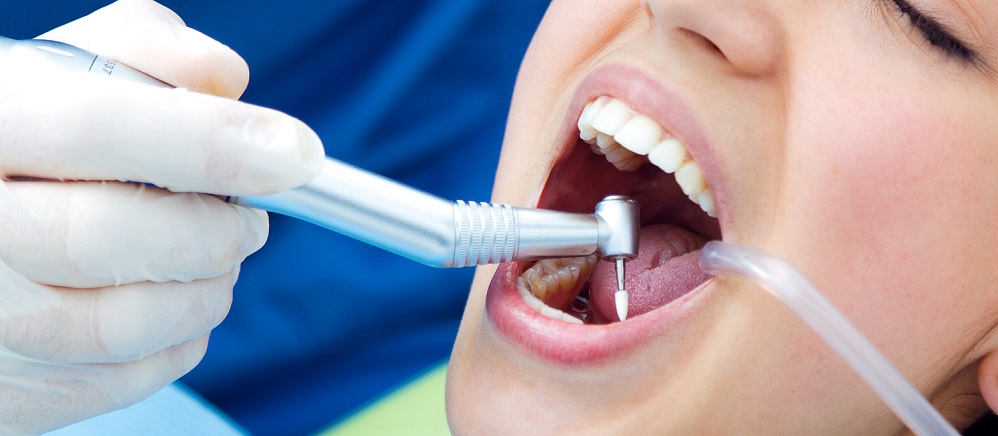
Maintaining optimal oral health is not just about brushing and flossing regularly; it is also about receiving comprehensive dental care that caters to individuals of all ages. From young children getting their first teeth to seniors requiring specialized treatments, a commitment to regular dental visits ensures a bright and healthy smile throughout life. For children, early dental care sets the foundation for lifelong oral health. Pediatric dentists focus not only on treating dental issues but also on educating young patients and their parents about proper oral hygiene habits. Regular check-ups, preventive treatments like sealants, and guidance on brushing and flossing techniques help prevent cavities and promote healthy dental development. As we grow older, the importance of dental care remains paramount. Adolescents and adults benefit from routine cleanings and exams to detect and address issues such as cavities, gum disease, and oral infections promptly. These preventive measures not only maintain dental health but also contribute to overall well-being, as oral health is closely linked to systemic health.

Dental CareCosmetic dentistry plays a significant role in enhancing smiles at any age. Procedures by dentist Lewisville like teeth whitening, veneers, and orthodontic treatments can correct dental imperfections and boost self-confidence. Aesthetic concerns are addressed alongside functional considerations, ensuring that every patient achieves a smile they are proud to show off. For older adults, maintaining oral health becomes increasingly crucial. Issues such as gum disease and tooth loss can impact overall health and quality of life. Periodontal treatments, dental implants, and dentures are among the solutions that restore dental function and appearance, allowing seniors to enjoy their favorite foods and social interactions without discomfort or self-consciousness. Advanced dental technologies further enhance the scope of care available to patients of all ages. Digital imaging enables precise diagnosis, while laser dentistry offers minimally invasive treatments for procedures such as gum contouring and cavity preparation. These innovations not only improve treatment outcomes but also contribute to a more comfortable and efficient dental experience.
Beyond individual treatments, comprehensive dental care encompasses a commitment to patient education and preventive measures. Dental professionals educate patients about the importance of oral hygiene, diet, and lifestyle choices in maintaining dental health. Customized treatment plans consider each patient’s unique needs and goals, ensuring personalized care that promotes long-term oral health and overall well-being. Access to dental care is essential for everyone, regardless of age or background. Community outreach programs, affordable payment options, and dental insurance coverage help ensure that dental services are accessible to all individuals and families. Regular dental visits establish a partnership between patients and their dental care providers, fostering trust and continuity of care over time. In conclusion, Brighten Your Smile: Comprehensive Dental Care for All Ages emphasizes the importance of proactive dental care throughout life. From preventive measures and routine check-ups to cosmetic enhancements and advanced treatments, comprehensive dental care addresses a wide range of dental needs and ensures that patients of all ages can enjoy a healthy, confident smile.


Breaking Barriers – How Marijuana Doctors Advocate for Accessible Medical Cannabis

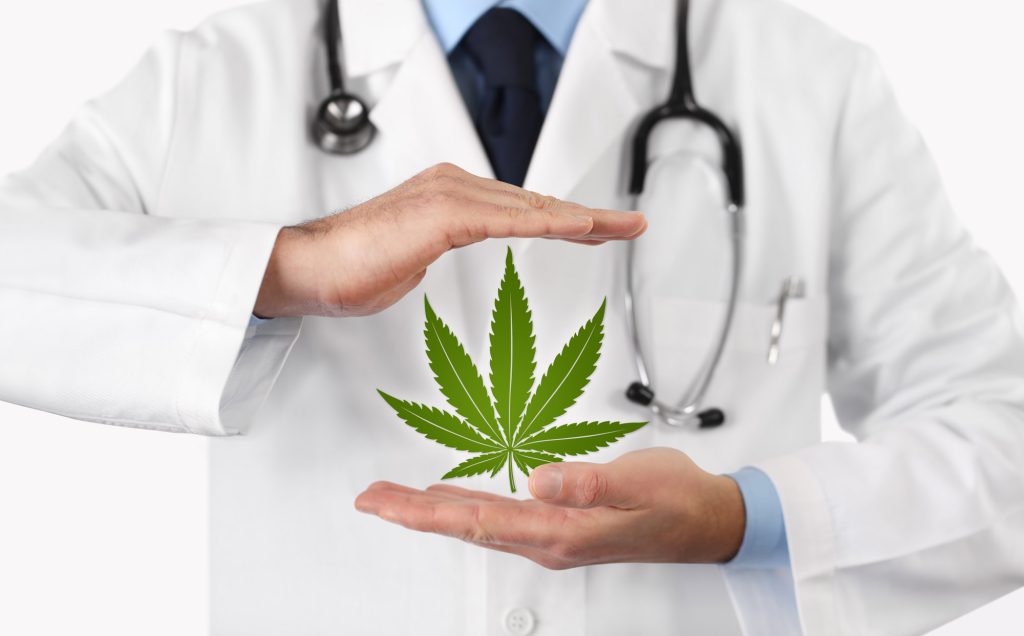
Marijuana, once stigmatized, is now recognized for its therapeutic potential. Behind this shift are marijuana doctors, advocates for accessible medical cannabis. These professionals play a crucial role in breaking down barriers and ensuring patients receive the care they need. Firstly, marijuana doctors are pioneers in personalized treatment plans. Unlike traditional medicine, which often adopts a one-size-fits-all approach, marijuana doctors understand that each patient is unique. They carefully assess medical histories, listen to patient concerns, and tailor treatment plans to address specific symptoms and conditions. This personalized approach ensures that patients receive the most effective and appropriate medical cannabis treatments, maximizing therapeutic benefits while minimizing potential side effects. Moreover, marijuana doctors are champions of patient education. They empower individuals with knowledge about medical cannabis, its potential benefits, risks, and proper usage. By providing comprehensive information and guidance, these doctors enable patients to make informed decisions about their health and treatment options.

cannabisdocgroup
This education also helps dispel myths and misconceptions surrounding marijuana, promoting a more informed and responsible approach to its use. In addition to personalized care and education, marijuana doctors advocate for legal and regulatory reforms to improve access to medical cannabis. They work tirelessly to remove bureaucratic hurdles and ensure that patients can obtain medical cannabis prescriptions and products without unnecessary barriers. This advocacy extends to promoting research and evidence-based practices, contributing to a growing body of scientific knowledge about the therapeutic potential of cannabis. One of the key challenges marijuana doctors face is overcoming stigma and bias. Despite growing acceptance of medical cannabis, there are still misconceptions and prejudices that can hinder patient access and acceptance of this treatment option and Visit Our WebSite. Marijuana doctors engage in public outreach, community education, and advocacy campaigns to challenge stigma, promote understanding, and foster acceptance of medical cannabis as a legitimate and effective medical treatment. Personalized treatment plans require ongoing monitoring and adjustments. Marijuana doctors regularly assess patients’ progress and make changes to the treatment plan as needed.
Marijuana doctors are essential in the realm of medical marijuana, offering personalized treatment plans that cater to individual needs. Through careful selection of strains, dosages, and administration methods, these healthcare professionals ensure that patients receive effective and safe treatment. Furthermore, marijuana doctors collaborate with other healthcare professionals to integrate medical cannabis into holistic treatment plans. They work alongside physicians, pharmacists, therapists, and other providers to ensure coordinated and comprehensive care for patients. This interdisciplinary approach not only enhances patient outcomes but also contributes to the normalization and integration of medical cannabis into mainstream healthcare practices. Marijuana doctors play a vital role in advocating for accessible medical cannabis. Through personalized treatment plans, patient education, advocacy for legal reforms, stigma reduction efforts, and interdisciplinary collaboration, these professionals break down barriers and ensure that patients have access to safe, effective, and evidence-based medical cannabis treatments. Their dedication and advocacy contribute to improving patient outcomes, advancing medical research, and promoting a more compassionate and inclusive healthcare system.


A Gateway to Happiness – The Emotional and Psychological Benefits of Dental Clinics

Dental clinics are traditionally viewed as places for maintaining oral health, treating toothaches, or undergoing routine cleanings. However, the benefits of regular dental visits extend far beyond the physical aspects of oral care. Dental clinics play a pivotal role in fostering emotional well-being and psychological health. By addressing dental issues promptly, improving smiles, and promoting overall health, dental clinics contribute significantly to an individual’s confidence, self-esteem, and overall happiness.

Boosting Self-Esteem and Confidence

One of the most apparent emotional benefits of visiting a dental clinic is the enhancement of self-esteem and confidence. A healthy, bright smile is often associated with attractiveness and social acceptance. People who are self-conscious about their teeth, whether due to discoloration, misalignment, or decay, may avoid smiling or engaging fully in social interactions. Dental clinics offer a range of cosmetic and restorative procedures, such as teeth whitening, veneers, braces, and implants, which can transform a person’s smile. By improving the appearance of teeth, dental treatments can help individuals feel more confident and willing to engage in social situations, positively impacting their social and professional lives and click to visit website.

Dental Clinic

Reducing Anxiety and Stress

Oral health issues can be a source of significant anxiety and stress. Persistent dental pain, fear of dental procedures, or concerns about the costs associated with dental care can contribute to a person’s overall stress levels. Regular visits to the dental clinic can mitigate these concerns. Preventive care and early intervention can reduce the likelihood of severe dental problems that require extensive treatment. Furthermore, many modern dental clinics employ techniques to manage patient anxiety, such as sedation dentistry, which helps patients relax during procedures.

Promoting Overall Health and Well-being

The link between oral health and general health is well-documented. Poor oral health has been associated with various systemic conditions, including heart disease, diabetes, and respiratory infections. By ensuring good oral hygiene and addressing dental issues promptly, dental clinics play a crucial role in promoting overall health. When people are physically healthy, they are likely to experience improved mental health as well. Conversely, chronic pain or illness can lead to depression and anxiety. Regular dental check-ups and treatments help maintain overall health, which in turn supports mental and emotional well-being.

Providing a Sense of Control

In a world where many factors can feel beyond one’s control, maintaining oral health is an area where individuals can exercise agency. Regular dental visits empower people to take charge of their health and well-being. This sense of control can be psychologically beneficial, providing a feeling of accomplishment and autonomy. When individuals see positive results from their efforts to maintain oral hygiene, it reinforces their sense of self-efficacy and can improve their overall mood and outlook on life.

Enhancing Social Interactions

A healthy smile is a powerful tool in communication. It can influence first impressions and the quality of social interactions. People with dental issues may shy away from social engagements, fearing judgment or embarrassment. Dental clinics help individuals achieve and maintain a healthy smile, which can make them more likely to participate in social activities and form positive relationships. Improved social interactions contribute to a sense of belonging and happiness.