Modern industrial operations rely on dependable technologies that support productivity, consistency, and operational excellence. Among these technologies, pneumatic components play a significant role in helping systems perform smoothly while maintaining precision and efficiency. Their ability to support automated functions makes them valuable across a wide range of manufacturing and processing environments.
The Importance of Advanced Pneumatic Components
Innovative pneumatic components contribute to seamless system performance by delivering controlled motion and reliable power transmission. These solutions help equipment operate accurately while supporting long-term operational goals.
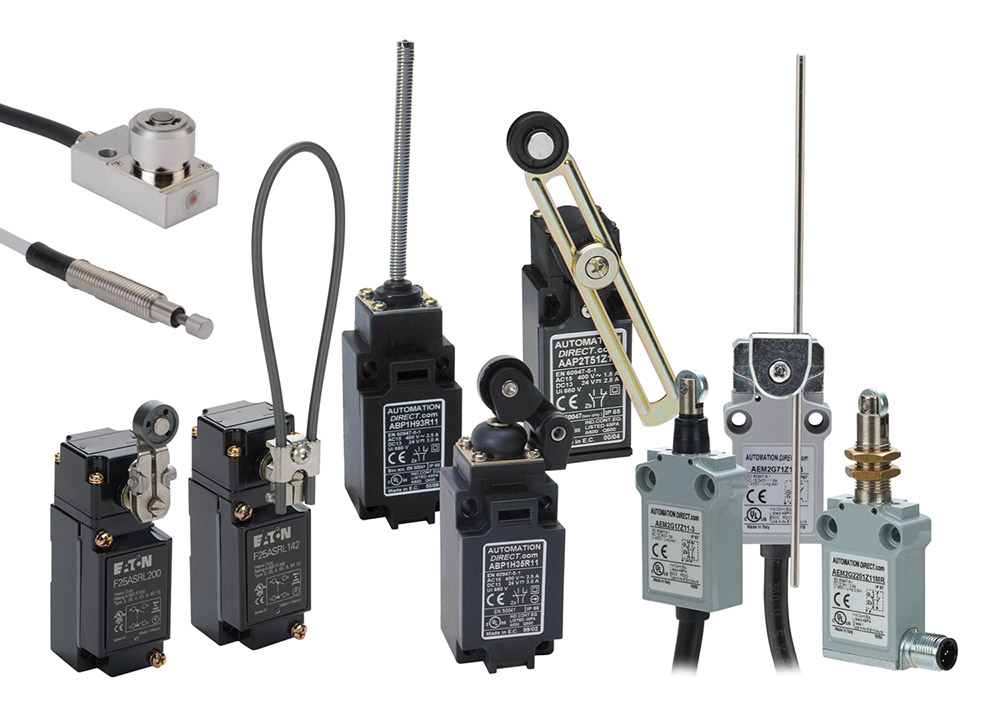
Key advantages include:
- Consistent performance during daily operations
- Smooth and responsive motion control
- Reduced mechanical complexity
- Improved production accuracy
- Enhanced operational reliability
- Efficient energy utilization
- Long service life
- Simplified maintenance procedures
These benefits make pneumatic systems an essential part of modern industrial environments.
Supporting Automation Efficiency
Automation depends on components that can perform repetitive tasks with speed and precision. Pneumatic technology supports these requirements through reliable actuation and controlled movement.
Important contributions include:
- Faster production cycles
- Improved equipment responsiveness
- Stable operating conditions
- Accurate positioning capabilities
- Reduced downtime risks
- Reliable repetitive motion
- Increased workflow consistency
- Better process control
By supporting automated systems effectively, pneumatic components help maintain high productivity levels.
Features That Enhance System Performance
Modern pneumatic solutions are designed with features that improve overall equipment functionality. These advancements help industrial systems achieve greater efficiency while maintaining dependable operation.
Notable features include:
- Compact component designs
- Durable construction materials
- Smooth airflow management
- Reliable pressure regulation
- Flexible integration options
- Consistent operational accuracy
- Enhanced safety support
- Stable performance under demanding conditions
Many industry professionals explore technical resources, and information available through https://www.hebaiele.com/fr/ can help expand understanding of pneumatic component applications and system capabilities.
Benefits for Long-Term Operations
Reliable pneumatic systems contribute to sustainable and efficient industrial performance over extended periods. Their durability and ease of operation make them valuable assets in production environments.
Long-term advantages include:
- Reduced maintenance requirements
- Improved equipment availability
- Consistent product quality
- Better resource management
- Increased operational confidence
- Enhanced production planning
- Lower interruption frequency
- Greater system dependability
These advantages support continuous improvement initiatives and operational growth.
The Future of Pneumatic Innovation
As industrial technologies continue to evolve, pneumatic components remain an important part of efficient system design. Ongoing innovations focus on improving reliability, performance, and adaptability to meet changing operational needs.
Future-focused benefits include:
- Smarter system integration
- Improved operational flexibility
- Enhanced precision capabilities
- Greater efficiency potential
- Stronger reliability standards
- Optimized workflow performance
- Better equipment coordination
- Continued technological advancement
With innovative pneumatic components supporting critical processes, modern industrial systems can achieve seamless operation, dependable performance, and lasting efficiency while meeting the demands of increasingly sophisticated production environments.